Real estate direct mail in El Cajon:
a farming plan for realtors
By Best Direct Mail, San Marcos · Numbers from USPS and the US Census Bureau
El Cajon is a valley ringed by hills, and its homeowners sort themselves the same way. Down in the valley, around downtown and Main Street, older houses share the streets with apartments, rentals and mobile home parks. Up on the edges, in Fletcher Hills, Granite Hills and Rancho San Diego, owners have lived in the same single-family home for decades. The city boomed after World War II, and many of the families who bought then, or their heirs, are the sellers of the next ten years.
That makes El Cajon a city where the choice of farm matters more than the size of the budget. Below we start with the public numbers for each ZIP Code, then go neighborhood by neighborhood: who lives there, who is likely to sell next, and what we would mail them. After that come the seller groups worth a mailing of their own, a 12-month plan, what a farm costs and the rules every California real estate postcard has to follow.


El Cajon by ZIP Code
| ZIP Code | Homes (routes) | Owner-occupied | Median home value | Owners there since before 2010 | Owners 65 or older | New movers a month (average) |
|---|---|---|---|---|---|---|
| 92020 Central and west El Cajon, downtown, Fletcher Hills and the El Cajon side of Mount Helix | 21,364 (35) | 44% | $813,100 | 55% | 34% | about 241 |
| 92021 North and east El Cajon, Bostonia and Granite Hills | 24,095 (35) | 54% | $611,900 | 47% | 36% | about 304 |
| 92019 South El Cajon, Rancho San Diego and part of Granite Hills | 15,440 (24) | 66% | $801,400 | 53% | 37% | about 105 |
Homes and carrier routes are from the USPS EDDM® route map. Homeownership, home value, how long owners have lived there and owner age are US Census Bureau American Community Survey 5-year estimates for the ZIP Code area. The last two are shares of owner-occupied homes. New movers are a US Census Bureau American Community Survey 5-year estimate: residents who moved into a different home in the past year, turned into households and divided by 12.
New movers: on average about 650 households move to a new home in these ZIP Codes every month. A welcome card makes you the first agent they know, and today's new neighbor is a future seller.
What a mailing costs: $2,682 for 5,000 homes with our recommended 8.5 × 11 EDDM® postcard, including printing and postage. See our EDDM® prices for other quantities.
What to mail in each neighborhood
Fletcher Hills (92020)
On the west side of the city, next to La Mesa and Grossmont College, Fletcher Hills takes its name from Ed Fletcher, who began developing it in the late 1920s. Most of its homes are single-family houses from the decades after the war, on curving streets that climb into the hills, with views across the valley from the higher lots. Most of them are lived in by their owners.
- Who sells: long-time owners who bought in the 1960s, 70s and 80s and are now downsizing, heirs selling a parent's home, and families moving up from a three-bedroom ranch to something bigger.
- What to mail: street-level sales. A view home on the hillside and a flat lot near Fletcher Parkway don't sell for the same price, and owners know it. Cards that show the difference, and what updated homes sold for compared with original ones, earn trust.
- How to mail: EDDM®. Most routes are owner-occupied houses, so whole routes reach the people you want for the lowest postage. Mail the same look every month for at least a year.

Granite Hills (92021)
East of downtown, Granite Hills rises toward the open hills along the city's edge. Much of it is unincorporated county land with El Cajon addresses. Homes are mostly single-family houses from the 1950s through the 80s, many on larger lots, some with pools or views, and a few streets with mobile home parks nearby.
- Who sells: owners whose children have grown and who no longer want a big yard or a hill to climb, and owners moving out of the county for a lower cost of living.
- What to mail: how you price homes that are hard to compare: larger lots, views, pools, additions and garages. On the streets next to open land, a card about selling a hillside home, including fire hazard disclosures and what insurers ask, answers a real worry.
- How to mail: EDDM® on the single-family routes. Because lots are larger, each route has fewer homes, so a Just Listed card needs a wider radius than in a tract.

Rancho San Diego (92019)
South of the city, Rancho San Diego is unincorporated, though most of it shares El Cajon addresses. Much of it was built in the 1970s and 80s, with newer tracts since, around Cuyamaca College and the shopping centers along Jamacha Road. It has single-family tracts, many with an HOA, plus condo and townhome complexes.
- Who sells: move-up families, owners trading a two-story home for a single-story one, and owners leaving California. Many original owners have held their homes long enough to build a lot of equity.
- What to mail: sales by tract, not one number for all of 92019. Owners compare their home with the same floor plan down the street. In the condo and townhome complexes, a Just Sold card to every unit is one of the most effective cards you can send.
- How to mail: EDDM® on the owner-occupied tracts; a list for the complexes with many rentals.
The El Cajon side of Mount Helix (92020)
The unincorporated slopes of Mount Helix use La Mesa, Spring Valley and El Cajon addresses. The El Cajon side has custom homes in many styles, from Spanish revival to mid-century modern, on large, irregular hillside lots and winding roads, with fewer recent sales to compare them with.
- Who sells: long-time owners, often retired, whose homes have outgrown their needs, and estates selling a family home held for decades.
- What to mail: how you market an unusual home: photography, staging, pricing a view and a large lot, and the hillside disclosures. Owners here pick an agent, not a brand, so put your face and your own words on the card.
- How to mail: a homeowner mailing list filtered by home value. Homes are spread out and routes cross into other neighborhoods, so a list keeps the farm tight.
Downtown and central El Cajon (92020)
Around Main Street, The Magnolia and the civic center, the oldest parts of the city mix small houses from the 1940s and 50s with apartment buildings, duplexes and new infill. Prices here are lower than in the hills, which is where first-time buyers and investors look first.
- Who sells: landlords selling a rental house or small apartment building they have held for years, long-time owners, and heirs.
- What to mail: to owners, "thinking of selling your rental?" cards: what similar rentals sold for, selling with a tenant in place, and the repairs buyers will ask about in an older home.
- How to mail: a homeowner list, not EDDM®. Renters make up a large part of these routes, and many landlords live elsewhere. Ask us about a list of owners whose mailing address is somewhere else.
Bostonia and north El Cajon (92021)
North of Broadway toward Gillespie Field and the Santee line, Bostonia and the neighborhoods around it mix single-family streets from the 1950s to the 70s with apartments and several mobile home parks. Part of it is unincorporated county land.
- Who sells: long-time owners, landlords, owners of homes in mobile home parks, and families who bought their first home here and are moving up.
- What to mail: "what is your home worth?" cards with the sales on their own streets. Values here have moved a lot since many owners bought, and many don't know their equity.
- How to mail: EDDM® only on the routes that are mostly houses; a homeowner list everywhere else. Check the owner-occupied column in the table first.
How to read the table before you pick a farm
The best farm is one where homes sell often enough, owners stay long enough to build equity, and the routes reach owners rather than renters. In El Cajon the three ZIP Codes are very different, and the table shows how:
- Owner-occupied is the first number to check here. El Cajon has a large share of apartments, mostly in the valley, so a ZIP Code with a lower figure is a signal to use a homeowner list rather than whole routes. Below about 60 percent, a list usually wastes less money.
- Owners there since before 2010 are your long-time owners. In the hills, many have owned since long before 2010. They have the most equity and the most freedom to sell when they choose.
- Owners 65 or older points to downsizing, moves closer to family and estate sales over the next few years. Where it is high, a patient, helpful farm wins.
- Median home value shapes the budget. A sale in Rancho San Diego or on Mount Helix earns more than one downtown, so a higher-priced farm can pay back with fewer listings.
One number the table can't give you is turnover: how many homes sold last year compared with how many homes there are. Check it in your MLS for the exact streets you are considering. Many agents look for 5 percent or more, and in a farm of 1,000 homes that means about 50 sales a year to compete for.
El Cajon sellers worth their own mailing
Beyond your neighborhood farm, a few groups of El Cajon owners are likely to sell for a specific reason. Each deserves its own card, with a message about that reason.
Owners 55 and older, and Proposition 19
Many long-time owners in Fletcher Hills, Granite Hills and Mount Helix stay put because a new home would mean a much higher property tax bill. Since 2021, Proposition 19 lets homeowners 55 and older move their property tax base to a replacement home anywhere in California, up to three times, if they buy within two years of selling. A higher-priced home adds only the difference to the tax base. A plain card that explains this, and invites them to talk it through with you and their tax adviser, is one of the most useful things you can mail to the hills.
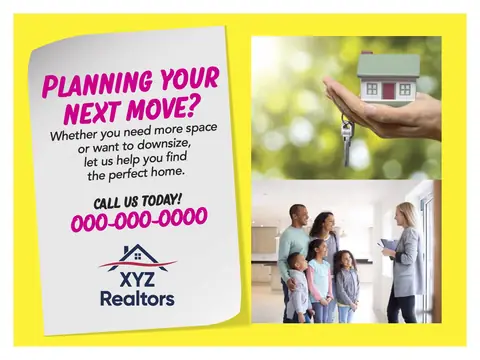
Heirs and family sales
In a city that grew so fast in the 1950s and 60s, many homes are now passing to the next generation. Heirs often live out of town and want a simple, honest process: clearing the house, repairs or selling as-is, and working with a trust or probate. A card that says you handle these sales with care, sent to long-held homes and to owners with an out-of-area mailing address, reaches them when they need it.
Mobile home owners
El Cajon and the unincorporated areas around it have dozens of mobile home parks. Some are senior communities and others are open to all ages. Most homes in parks sit on rented spaces and are sold under state rules that are different from those for houses, with park approval of the buyer and the space rent to explain. Check with your broker before you take these listings. Agents who learn the process can build a steady niche, park by park.
Landlords and out-of-area owners
The valley has many rental houses, duplexes and small apartment buildings, and their owners often live somewhere else. They respond to cards about rents, repairs, selling with tenants in place and what their property would sell for. Mail them where they live, not at the rental, with a list that uses the owner's mailing address.
Renters ready to buy
With so many apartments in central and north El Cajon, a first-time buyer card, with what it takes to buy and the down payment programs available, can reach renters by EDDM® on apartment-heavy routes. It is a different business from farming owners, but it fills your buyer pipeline, and El Cajon prices give many renters a real path to owning.

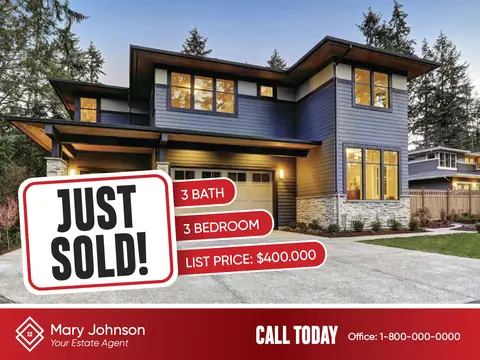
Just Listed and Just Sold cards in El Cajon
How far to mail around a listing depends on the neighborhood:
- Tracts in Rancho San Diego and Fletcher Hills: the tract itself plus the nearest streets, usually 200 to 500 homes. Owners compare within their tract.
- Larger lots in Granite Hills and on Mount Helix: a wider radius, since fewer homes fit in each block and the neighbors who matter may be half a mile away.
- Condo and townhome complexes: every unit in the complex, plus similar complexes nearby.
- A house in central El Cajon: the owners within a few blocks, from a list, so the cards skip the apartments around it.
Send the Just Listed card in the first days of the listing, timed to arrive before the first open house, and the Just Sold card soon after closing. Draw a radius around the address in our mailing list planner, or pick the routes around it in the EDDM® route planner.

A 12-month El Cajon farming plan
One card a month to your farm, plus Just Listed and Just Sold cards whenever you have them. Here is a year built around how El Cajon owners actually decide:
| Month | Postcard |
|---|---|
| January | Last year's sales in the neighborhood: homes sold, average price and days on market |
| February | Proposition 19 explained for owners 55 and older, to the long-held hillside streets |
| March | Spring market update with your recent listings and a free home value estimate |
| April | "Moving this summer?" for families who want to move between school years |
| May | Remodel or sell? What updated and original-condition homes in the area sold for |
| June | Beat the valley heat: air conditioning, solar and shade, and how buyers value them |
| July | Mid-year market update: prices and homes for sale compared with last year |
| August | For landlords: what rental homes in El Cajon sold for, and selling with a tenant in place |
| September | Fall market update and a "what's your home worth" offer |
| October | Fire season checklist for hillside homes: defensible space, insurance and vents |
| November | A thank-you card to the neighborhood, or a local cause you support |
| December | Holiday card with a calendar or magnet they keep all year |


What an El Cajon farm costs
A farm of about 1,000 homes is a common start: a slice of Fletcher Hills, a few tracts in Rancho San Diego, or the owner-occupied streets of Granite Hills. Here is what mailing it every month for a year costs, depending on how you print:
| 1,000 homes, every month for a year | Per month | For the year |
|---|---|---|
| A new design every month, printed each month | $719 | $8,628 |
| Four designs, each printed once and mailed for three months | $583 | $6,998 |
| One design, printed once for the whole year | $512 | $6,146 |
8.5 × 11 EDDM® postcards, printed and mailed, including USPS postage. Printing ahead costs less because the price per card drops at larger quantities; we store the extra cards and mail them on your schedule. See all EDDM® prices.
Most agents settle on the middle row: a few designs that rotate through the year, printed in batches, plus Just Listed and Just Sold cards as they come. Even at El Cajon prices, the commission on one listing usually covers the farm for the year several times over.
EDDM® or a mailing list in El Cajon?
In Fletcher Hills, Granite Hills and most of Rancho San Diego, homes are mostly owner-occupied, and EDDM® reaches nearly the same people as a list for much less. In downtown, central and north El Cajon, renters make up a large part of each route, and a homeowner list wastes far fewer cards. On Mount Helix, where homes are spread out, a list keeps the farm tight. For landlords and heirs who live elsewhere, only a list with the owner's mailing address reaches them at all. Tell us the areas you want and we'll recommend the right mix.
What every El Cajon real estate postcard must include
A farm postcard is usually the first time a homeowner hears from you, and California treats it that way. Under the Department of Real Estate's rule for "first point of contact" material (California Code of Regulations, title 10, section 2773), the card must show:
- Your name and 8-digit DRE license number, and the number of every other licensee named on the card, such as a team partner.
- Your responsible broker's name, as it is currently licensed with the DRE.
- The license number in type at least as large as the smallest type on the card. It can't hide in fine print.
Mailing as a team adds one more rule (Business and Professions Code section 10159.6): the responsible broker's name and license number have to be shown as prominently as the team name. A few more points keep the card out of trouble:
- The Equal Housing Opportunity logo, and words that describe the home, the street or the market, never the kind of buyer or neighbor it suits.
- Only your own sales on Just Sold cards, with the side you represented. A sale you only helped buy can't be shown as one you sold.
- Estimates labeled as estimates. "Find out what your El Cajon home is worth" is fine; a promised price is not.
- REALTOR® in capitals with the ® mark, if you are a member of the National Association of REALTORS®.
We add your license number, broker and logo to every design and send a proof, but ask your broker to approve the final card. Your brokerage may have its own rules on top of these.
For more card ideas, the Just Listed and Just Sold basics and how to pick a farm, see our real estate direct mail guide.
Real Estate postcard designs
Start from one of our ready-made real estate postcards. We add your logo, offer, license number and photos, send you a proof, then print and mail it. Need a custom design, or have your own? Just let us know.
Real Estate marketing plans in other cities
- SanMarcos
- Carlsbad
- ChulaVista
- Clairemont
- Coronado
- DelMar
- Encinitas
- Escondido
- ImperialBeach
- LaJolla
- LaMesa
- LemonGrove
- NationalCity
- NorthPark
- Oceanside
- PointLoma
- Poway
- RanchoBernardo
- Santee
- ScrippsRanch
- SolanaBeach
- Vista
El Cajon at a glance
- Homes and mail routes
- About 60,900 homes on 94 routes
- New movers
- About 650 households a month
- Best areas
- Listing leads (long-time owners): Fletcher Hills and Granite Hills. Move-up sellers: Rancho San Diego. Landlords: downtown and central El Cajon.
- What it costs
- $2,682 to mail 5,000 homes by EDDM®
- Where to start
- A monthly EDDM® farm in Fletcher Hills or Granite Hills, plus Just Listed and Just Sold cards around each listing.
Frequently asked questions
What is the best neighborhood to farm in El Cajon?
It depends on your budget and the kind of seller you want. Fletcher Hills and Granite Hills have many long-time owners in single-family homes. Rancho San Diego has tracts where owners compare closely and sell to move up or move away. Central El Cajon has lower prices and many landlords, which suits a list-based investor farm. Check turnover in your MLS and the owner numbers in the table above, then pick one you can mail every month.
How many homes are there to mail in El Cajon?
The table above shows the homes and carrier routes in each El Cajon ZIP Code, straight from the USPS EDDM® route map. Most agents farm 500 to 1,500 homes rather than a whole ZIP Code.
Should I use EDDM® in central El Cajon?
Usually not for seller cards. Many routes in the valley are mostly apartments, and renters can't sell the home they live in. A homeowner list reaches only the owners, including landlords who live elsewhere. Use EDDM® there only for a first-time buyer card aimed at renters.
Can I list homes in El Cajon's mobile home parks?
Many agents do, but the rules differ from those for houses: most homes sit on rented spaces, the park must approve the buyer, and the sale follows state rules for manufactured homes. Check with your broker first, then build the niche one park at a time.
Do I need my DRE license number on a farm postcard?
Yes. California treats a farm postcard as first-point-of-contact material, so it must show your 8-digit DRE license number, in type no smaller than the smallest on the card, and your responsible broker's name. We add both to your design.
Where are you located?
Our print shop is in San Marcos, in North County. We print your postcards there and take EDDM® mailings to the Post Offices that deliver your El Cajon routes, so you never have to drive cards anywhere. We can also store pre-printed cards and mail them every month on your schedule.
Get a quote for your El Cajon mailing
Tell us which neighborhoods and services you want to focus on. We'll reply with a price for printing and mailing, and the routes or list we recommend.